Exploring Office Furniture Styles: A Guide to Creating the Perfect Workspace
Introduction to Office Furniture Styles
Office furniture plays a critical role in shaping the work environment, impacting both functionality and aesthetics. The right furniture can enhance productivity, reflect company culture, and ensure comfort for employees. As businesses evolve, so do the styles and trends in office furniture, offering a myriad of options to suit different needs and preferences. Understanding these styles is essential for anyone looking to create a workspace that is both efficient and inviting.
Traditional Office Furniture
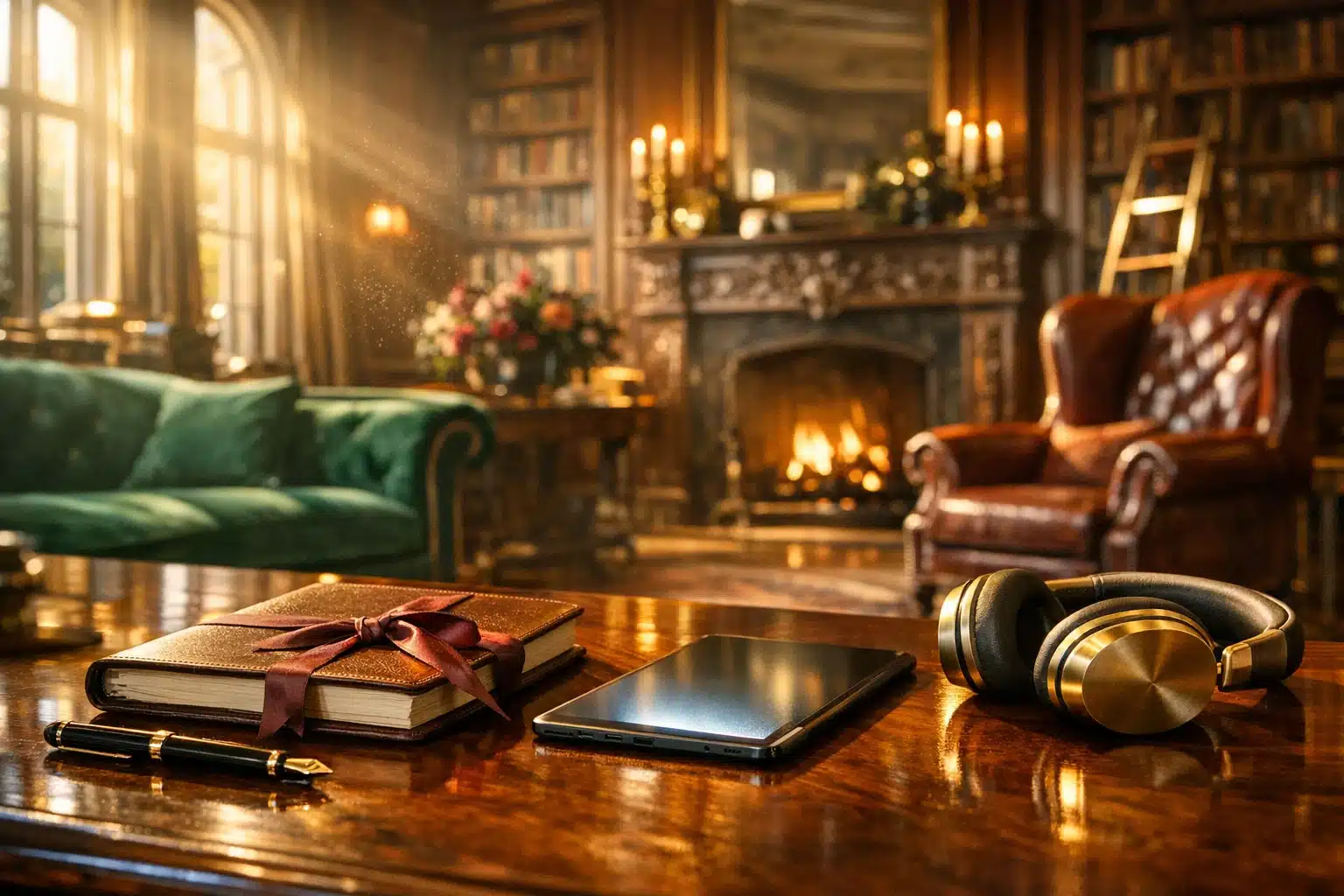
Traditional office furniture is characterized by its classic design and use of rich materials such as wood and leather. This style often includes features like ornate carvings, dark finishes, and luxurious upholstery. Traditional furniture is synonymous with elegance and sophistication, making it a popular choice for law firms, executive offices, and spaces that aim to convey a sense of authority and stability.
Key elements of traditional office furniture include:
- Solid wood desks with detailed craftsmanship
- Leather chairs with tufted backs
- Rich, dark color palettes
- Intricate detailing and moldings
While traditional furniture may not be suitable for every office environment, its timeless appeal and durability make it a valued investment for spaces looking to maintain a classic and professional atmosphere.
Modern Office Furniture
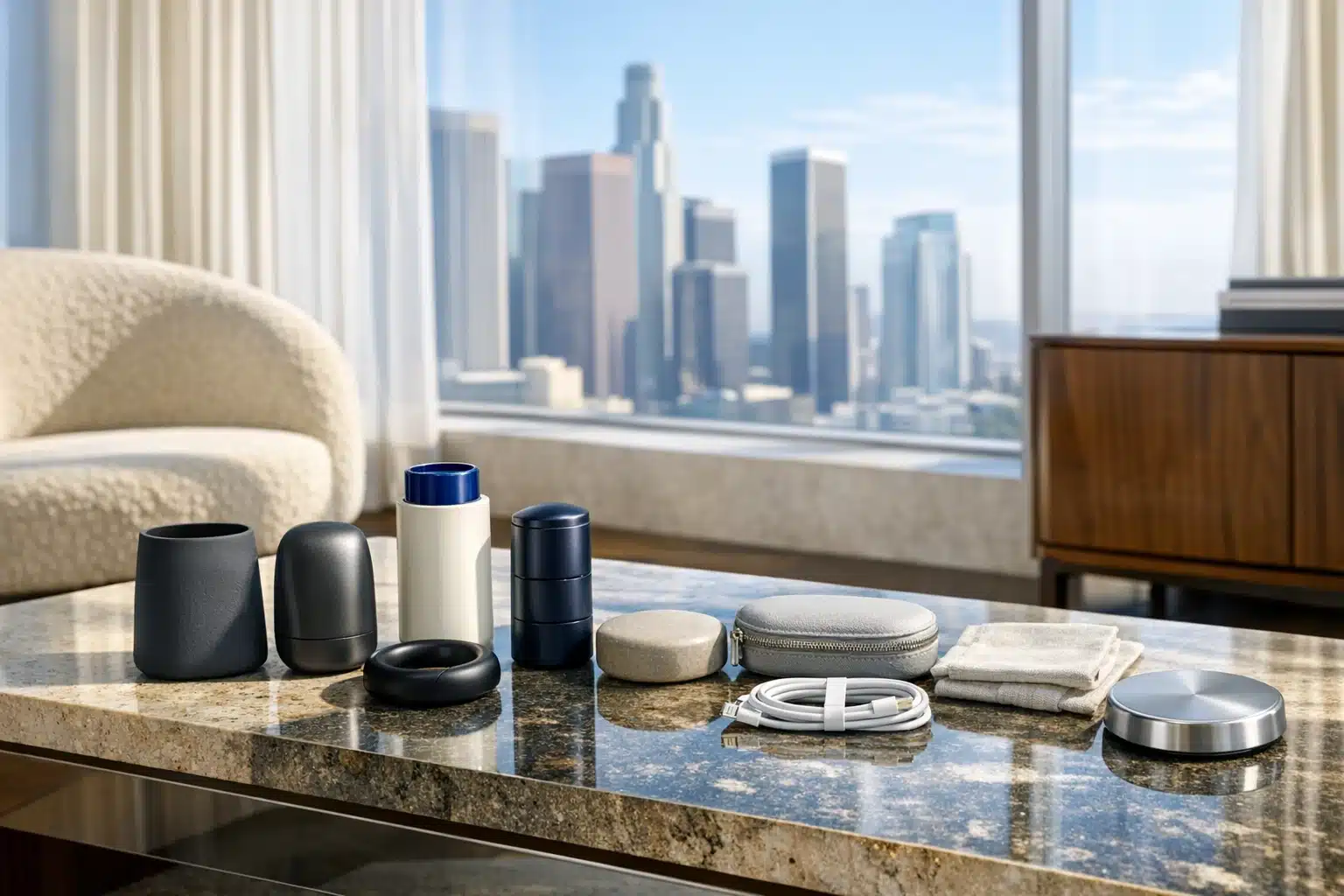
Modern office furniture is defined by its clean lines, minimalist design, and use of contemporary materials like metal and glass. This style focuses on functionality and simplicity, often incorporating modular elements that can be easily reconfigured to adapt to changing needs. Modern furniture is ideal for tech startups, creative agencies, and any workspace that prioritizes innovation and flexibility.
Characteristics of modern office furniture include:
- Sleek, streamlined designs
- Neutral color schemes with occasional bold accents
- Open and airy layouts
- Integration of technology and ergonomic features
Modern furniture not only enhances the visual appeal of a workspace but also supports dynamic work styles, encouraging collaboration and creativity among employees.
Industrial Office Furniture
Industrial office furniture draws inspiration from factories and warehouses, featuring raw materials and unfinished elements. This style is known for its rugged aesthetic, combining metal, wood, and exposed hardware to create a unique and edgy look. Industrial furniture is particularly popular in loft offices, coworking spaces, and environments that embrace a more unconventional and eclectic approach.
Distinctive features of industrial office furniture include:
- Exposed metal frames and hardware
- Reclaimed wood surfaces
- Neutral or earthy color palettes
- Utilitarian design with a focus on durability
Industrial furniture offers a distinct character and charm, making it a favorite for businesses that want to project a bold and contemporary image while maintaining a sense of authenticity and groundedness.
Conclusion: Choosing the Right Style for Your Office
Selecting the right office furniture style is crucial in creating a workspace that aligns with your business needs and aesthetic preferences. Whether you lean towards the timeless elegance of traditional furniture, the clean and functional appeal of modern designs, or the raw and edgy vibe of industrial pieces, each style offers unique benefits and challenges.
Consider the following factors when choosing office furniture:
- Company culture and brand identity
- Functional requirements and space constraints
- Employee comfort and productivity
- Budget and long-term investment
By understanding the different styles and their characteristics, you can make informed decisions that will not only enhance the physical environment of your office but also contribute to the overall success and satisfaction of your team.